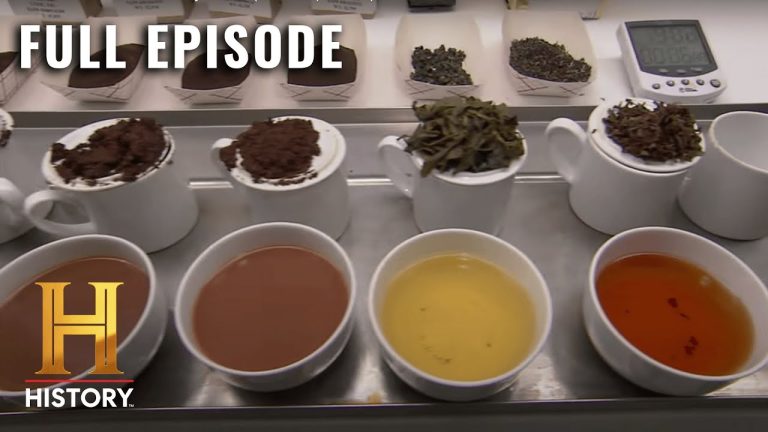
Ever brewed a cup of tea and wondered why that same herb you just used fresh tasted so different when dried? It’s not just in your head.
There’s some real science happening here, transforming the plant from its vibrant, leafy state to the concentrated little bits you find in your tea tin.
We’re going to break down why the same herb tastes different in fresh vs dried tea, looking at how the drying process changes everything from scent to flavor intensity.
Key Takeaways
- Drying herbs concentrates their flavor compounds, making them more potent than fresh ones.
This is why you often use less dried herb than fresh in recipes.
- The drying process can change an herb’s flavor profile through oxidation and heat.
Some compounds break down, while others become more noticeable.
- Fresh herbs often have brighter, more delicate flavors that are best added at the end of cooking or used raw, as their volatile oils can be lost with heat.
- Dried herbs are great for adding depth and a more seasoned flavor, especially in slow-cooked dishes like soups and stews, as their flavors release with moisture.
- Proper storage is key for dried herbs; keep them in airtight containers away from light and heat to preserve their potency and prevent stale flavors from developing.
Understanding The Transformation From Fresh To Dried Herbs
So, you’ve got a bunch of fresh herbs, maybe from your garden or the farmer’s market, and you’re wondering what happens when they go from vibrant and green to that little jar in your spice rack.
It’s not just about losing water; a whole bunch of chemical changes are happening that totally alter how they smell and taste.
Drying is essentially a process of concentration and transformation.
The Science of Flavor Concentration
When you dry herbs, you’re removing most of the water content.
Think about it: fresh basil is mostly water.
When that water evaporates, all the other stuff – the oils, the flavor compounds, the aromatic molecules – get packed more tightly together.
This makes the flavor much more intense.
It’s why a recipe might call for a tablespoon of fresh rosemary but only a teaspoon of dried.
The flavor is still there, just in a smaller, more potent package.
Volatile vs.
Non-Volatile Compounds
Herbs have different types of flavor and aroma compounds.
Some are volatile, meaning they easily turn into vapor at room temperature.
These are often the bright, fresh, and sometimes floral notes.
Think of the zingy smell when you crush fresh mint.
Other compounds are non-volatile, meaning they stick around and don’t easily evaporate.
Drying and heat can affect these differently.
Volatile compounds are more easily lost during the drying process, which is why some fresh herbs, like cilantro or dill, lose a lot of their characteristic brightness when dried.
However, the non-volatile compounds become more concentrated, contributing to the deeper, earthier flavors you often get from dried herbs.
Understanding this difference is key to appreciating why certain herbs are better fresh.
The Role of Dehydration in Flavor
Dehydration isn’t just about making things last longer; it actively changes the flavor profile.
As water leaves, the sugars and other flavor components become more concentrated.
This can lead to a richer, sometimes sweeter, or even slightly caramelized taste.
It also affects the texture, making dried herbs brittle and easy to crumble.
This concentration is why dried herbs are fantastic for slow-cooked dishes where their flavor can meld and deepen over time, unlike delicate fresh herbs that might get lost in the long cooking process.
How Drying Alters The Aroma And Taste Profile
So, you’ve got your fresh herbs, smelling all bright and lively.
Then you dry them out, and suddenly, they smell… different.
It’s not just about losing water; a whole bunch of chemical changes are happening that totally shift how that herb tastes and smells.
It’s pretty wild, actually.
Oxidation and Flavor Development
When you dry herbs, especially if you roll or bruise them a bit first, you’re breaking down cell walls.
This lets enzymes get to work, and they start reacting with oxygen in the air.
This process, called oxidation, is a big reason why dried herbs develop new flavors.
Think of it like an apple turning brown after you cut it – that’s oxidation too.
For herbs, this can create deeper, sometimes fruitier or even slightly fermented notes that weren’t there before.
It’s this controlled breakdown that transforms the herb’s character.
Fermentation and Its Impact on Taste
Sometimes, the drying process can lead to a bit of fermentation, especially if there’s still some moisture left and the herbs are kept in a sealed container for a while.
This is where things can get really interesting, and sometimes a little weird.
You might get lactic or savory notes, kind of like olives or pickles.
It’s a bit of a gamble, but when it works, it adds a whole new layer of complexity.
Some people even intentionally use this to get specific flavors, like those found in certain fermented teas.
The Effect of Heat on Flavor Compounds
Heat plays a big role, whether you’re using a dehydrator, an oven, or even just the sun.
High heat can really change things.
Some of the delicate, bright flavors in fresh herbs are actually volatile compounds, meaning they evaporate easily.
Too much heat, and poof, they’re gone.
This is why some herbs, like basil or cilantro, lose a lot of their signature zing when dried.
On the other hand, heat can also help develop new, richer flavors by breaking down other compounds.
It’s a balancing act, really.
You want enough heat to dry them out and maybe develop some new notes, but not so much that you cook away all the good stuff.
Here’s a quick look at how different drying methods might affect things:
- Air Drying: Slow and gentle.
Tends to preserve more of the original aroma, but can take a while.
Might develop subtle hay-like notes.
- Oven Drying (Low Heat): Faster than air drying.
Can help concentrate flavors but risks losing volatile compounds if the temperature is too high.
- Dehydrator: Offers more control over temperature and airflow.
Generally a good balance between speed and flavor preservation.
The goal with drying is often to concentrate the herb’s essence.
While some bright, fresh notes might fade, the process can bring out deeper, more mellow, or even savory characteristics that make dried herbs useful in different ways than their fresh counterparts.
The Impact Of Processing On Herb Potency
So, you’ve got your herbs, right? Whether they’re fresh from the garden or tucked away in a jar, how they’re handled really changes how strong their flavor is.
It’s not just about taste; it’s about the actual oomph they bring to your food or tea.
Concentration Ratios: Fresh vs.
Dried
When you dry herbs, you’re essentially removing water.
Think of it like squeezing a sponge – all the good stuff gets packed closer together.
This means dried herbs are way more concentrated than their fresh counterparts.
A common rule of thumb is that you need about three times the amount of fresh herb to equal one teaspoon of dried.
So, if a recipe calls for 3 tablespoons of fresh rosemary, you’d likely only need 1 tablespoon of dried.
This concentration is why dried herbs can add a deeper, more seasoned flavor, especially in dishes like hearty soups and stews where they have time to rehydrate and release their packed-in aromas.
It’s a big difference from fresh herbs, which tend to lose their delicate oils when cooked for too long.
Loss of Potency Over Time
Even though dried herbs are concentrated, they aren’t immortal.
Over time, they start to lose their punch.
Exposure to air, light, and heat can cause oxidation, which degrades those flavorful compounds.
Generally, dried herbs are best used within a year. After that, they can start tasting a bit dusty or stale.
It’s a bummer, but it’s just how it goes.
Keeping them in airtight containers, away from sunlight and heat, really helps slow this process down.
Think of a cool, dark pantry, not right above your stove!
Maximizing Flavor in Dried Herbs
Sometimes, dried herbs can seem a little shy when you first open the jar.
To really wake them up, try a few things.
Rubbing them between your hands before adding them to a dish can help release their aromatic oils.
You can also gently toast them or grind them with a mortar and pestle.
For cooking, adding dried herbs early in the process, especially in dishes with liquid like soups or stews, allows them to rehydrate and fully infuse their flavor.
It’s all about coaxing out that goodness that’s been concentrated through the drying process.
Different drying methods can also have an effect on the final flavor profile, so understanding how drying impacts tea can give you a clue about herbs too.
Sensory Differences In Brewed Teas
Experiencing Flavor Evolution Through Infusions
When you brew tea, whether it’s from fresh or dried herbs, you’re essentially coaxing out those flavorful compounds with hot water.
It’s a bit like a science experiment, but way tastier.
The way the water interacts with the plant material really changes what you taste and smell.
Think about it: a quick steep might give you a light, bright flavor, while a longer one can pull out deeper, more complex notes.
It’s not just about how long you steep, though.
The temperature of the water plays a big role too.
Some delicate herbs might get bitter if the water’s too hot, while heartier ones might need that heat to really Release Their Essence.
The journey from leaf to cup is a fascinating dance between water, heat, and time.
Comparing Aromatic Intensity and Body
Dried herbs often pack a more concentrated punch when it comes to aroma.
When the water evaporates during drying, it leaves behind a higher concentration of those aromatic oils.
This means your dried herb tea might smell stronger right from the start.
Fresh herbs, on the other hand, tend to offer a more subtle, nuanced fragrance.
In terms of body, or how the tea feels in your mouth, dried herbs can sometimes feel a bit fuller, almost richer.
This is because the drying process can alter the structure of the plant material, leading to a different mouthfeel when brewed.
Fresh herbs might give you a lighter, cleaner sensation.
Here’s a quick look at what you might notice:
- Aroma: Dried herbs often have a more intense, sometimes sharper, aroma.
Fresh herbs tend to be more delicate and green-smelling.
- Body: Dried herb teas can feel more substantial, while fresh herb teas are often lighter and more refreshing.
- Flavor Profile: Dried herbs might present more concentrated, sometimes earthy or roasted notes.
Fresh herbs usually lean towards brighter, more vibrant flavors.
The Nuances of Steamed vs.
Toasted Herbs
How an herb is processed after drying can make a huge difference in the final cup.
Steaming, for instance, can help preserve a lot of the herb’s natural color and a good portion of its fresh-like flavor, though it might mellow out some of the sharper notes.
It’s a gentler approach.
Toasted or roasted herbs, however, go through a more significant transformation.
This process can bring out nutty, caramel-like, or even smoky flavors that you just wouldn’t find in a fresh herb or even a simply dried one.
It also tends to reduce bitterness and can make the tea more forgiving with hotter brewing temperatures.
It’s all about how those heat-induced chemical reactions change the compounds within the herb.
The specific processing method, from how it’s dried to whether it’s steamed or toasted, directly influences the chemical makeup of the herb.
This, in turn, dictates the aroma, taste, and even the physical sensation you experience when you brew it into a tea.
It’s a cascade of changes, each step building on the last to create a unique sensory profile.
Culinary Applications: Fresh Versus Dried
So, when do you reach for that bright bunch of basil versus the little jar of dried oregano? It really comes down to the kind of flavor you’re aiming for in your dish.
Fresh herbs are like the pop of a highlighter – they add a vibrant, immediate brightness that can really make a dish sing.
Think about a caprese salad; you wouldn’t want dried basil there, right? It’s the fresh leaves, torn or chopped just before serving, that give it that signature zing.
The same goes for delicate dishes like a light lemon-herb chicken or a fresh salsa.
These herbs often have volatile compounds that are easily lost with heat, so adding them at the very end, or even as a garnish, is key to getting their full flavor.
When Fresh Herbs Offer Superior Brightness
Fresh herbs are your go-to when you want that clean, lively taste.
They’re fantastic for:
- Finishing dishes: A sprinkle of fresh parsley or cilantro right before serving adds a burst of freshness.
- Salads and dressings: Their bright notes cut through richness and add complexity.
- Delicate preparations: Think light seafood dishes, pasta with light sauces, or even fruit salads where you want a subtle herbaceous lift.
- Garnishes: They add visual appeal and a fresh aroma.
Generally, herbs like basil, cilantro, parsley, chives, dill, and tarragon are best used fresh. These herbs tend to lose a lot of their delicate flavor when dried, so they really shine when added at the last minute.
Dried Herbs for Depth and Seasoning
Dried herbs, on the other hand, are like the bassline of your flavor profile.
Because their water content is gone, the flavor compounds are more concentrated.
This makes them perfect for dishes that need a deeper, more robust flavor that can stand up to longer cooking times.
Think hearty stews, slow-cooked sauces, or rubs for roasted meats.
The heat and time in these dishes help to rehydrate the dried herbs and release their concentrated flavors.
- Soups and stews: They meld into the broth, adding a savory depth.
- Marinades and rubs: Their concentrated flavor penetrates meats during cooking.
- Baked goods: Certain dried herbs, like rosemary or thyme, can add a wonderful background note.
- Long-simmering sauces: They provide a consistent, deep flavor throughout the cooking process.
Herbs like oregano, thyme, rosemary, sage, and bay leaves are often more potent and flavorful when dried, and they hold up well to heat.
Best Practices for Incorporating Each Type
Using dried herbs effectively often means adding them earlier in the cooking process, allowing them time to rehydrate and release their flavor.
A good rule of thumb is that one teaspoon of dried herbs can often replace three teaspoons of fresh herbs.
You can also “wake up” dried herbs by gently rubbing them between your fingers before adding them to a dish, or by toasting them lightly in a dry pan to release their oils.
When you’re cooking, it’s helpful to remember that fresh herbs are best added towards the end of the cooking process to preserve their bright, volatile flavors.
Dried herbs, with their concentrated, less volatile compounds, are better suited for longer cooking times where they can slowly release their deeper, more robust flavors into the dish.
It’s not about one being superior, but about understanding their unique strengths and using them appropriately to build layers of taste.
For fresh herbs, the goal is to maintain their freshness.
Chop them just before you need them, and add them as a finishing touch.
If you have a lot of fresh herbs, consider making herb oils or pestos to capture their flavor before they wilt.
Preservation Techniques And Their Flavor Consequences
So, you’ve got your lovely fresh herbs, and you want them to last.
That’s where preservation comes in, but how you do it really messes with the taste and smell.
It’s not just about keeping them from going bad; it’s about what happens to the flavor during the process.
The Importance of Airtight Storage
When you dry herbs, you’re trying to get rid of moisture.
But once they’re dry, they can become like little sponges for smells.
If you just leave them in an open bag or container, they’ll pick up all sorts of unwanted odors from your pantry.
Airtight containers are your best friend here. Think glass jars with tight-fitting lids.
This keeps the herb’s own flavor locked in and stops other smells from getting in.
It’s like giving your dried herbs their own little protective bubble.
Protecting Herbs from Light and Heat
Light and heat are the enemies of dried herbs.
They break down those delicate flavor compounds, making your herbs taste dull and lifeless.
That’s why storing them in a cool, dark place is so important.
A kitchen cabinet away from the stove, or a pantry shelf, is usually a good spot.
Avoid leaving them out on the counter or in direct sunlight.
Over time, even with good storage, some flavor will fade, but proper protection slows this down a lot.
The Trade-offs of Different Drying Methods
How you dry your herbs makes a big difference.
Air drying, oven drying, or using a dehydrator all have their own outcomes.
- Air Drying: This is the most natural way.
You hang herbs or lay them flat.
It’s slow, and some volatile oils can escape, but it often preserves a good, clean flavor.
It works best for herbs with lower moisture content.
- Oven Drying: Using a low oven temperature can speed things up.
You have to watch it closely to avoid ‘cooking’ the herbs, which can change the flavor profile, sometimes making it more intense but less fresh.
- Dehydrator: This offers more control over temperature and airflow.
It’s generally a good balance, drying herbs efficiently while minimizing flavor loss compared to high-heat methods.
The goal with any drying method is to remove moisture without destroying the aromatic compounds that give herbs their character.
It’s a balancing act, and the results can vary quite a bit depending on the herb and the technique used.
Some methods might make an herb taste more ‘toasted’ or ‘earthy,’ while others aim to keep it as close to its fresh state as possible, just without the water.
This means that a dried herb isn’t just a less-water version of its fresh self; it’s often a subtly transformed ingredient.
So, Fresh vs.
Dried: What’s the Verdict?
It turns out there’s no single winner when it comes to fresh versus dried herbs for your tea.
Fresh herbs often bring a brighter, more delicate flavor, but they can be tricky to store and lose their punch quickly.
Dried herbs, on the other hand, pack a more concentrated flavor because much of their water content is gone, making them last longer and easier to keep on hand.
The way an herb is processed, like through oxidation or fermentation, also plays a huge role in its final taste, sometimes creating entirely new flavor profiles.
So, whether you’re reaching for that fresh sprig from your garden or a jar from the pantry, remember that both have their own unique strengths and can lead to a delicious cup of tea.
Frequently Asked Questions
Why does dried basil taste different from fresh basil?
Fresh basil has delicate oils that give it a bright, peppery flavor.
When basil is dried, some of these oils can disappear or change.
This makes the dried version taste a bit deeper and less vibrant, kind of like how a strong perfume fades over time.
Can I use dried herbs instead of fresh herbs in recipes?
Yes, you can! But remember, dried herbs are like super-concentrated versions of fresh ones.
A good rule is to use about one-third the amount of dried herbs compared to fresh.
For example, if a recipe says 3 teaspoons of fresh rosemary, use just 1 teaspoon of dried.
Does drying herbs make them lose their flavor?
Drying doesn’t necessarily make herbs lose flavor, but it changes it.
Some flavor parts become more concentrated, while others, especially the ones that easily float away with heat (called volatile compounds), can be reduced.
This is why dried herbs often have a stronger, earthier taste.
How should I store dried herbs to keep them fresh?
To keep dried herbs tasting great, store them in airtight containers, like glass jars.
Keep them away from light and heat, so a dark cupboard or pantry is best.
Don’t store them right above the stove, as the heat can make them go stale faster.
Why do some dried herbs smell stronger than others?
This has to do with the types of flavor compounds in the herb.
Some herbs have lots of strong-smelling oils that stick around even after drying, while others have more delicate scents that fade.
Also, how the herb was dried can affect the final smell.
When is it better to use fresh herbs over dried ones?
Fresh herbs are usually best for adding a bright, lively flavor at the end of cooking or as a garnish.
Think salads, light pasta dishes, or toppings for pizza.
Herbs like parsley, cilantro, and basil really shine when they’re fresh because their delicate flavors can get lost when dried.